A guide to osteopathy

Written by Simplyhealth on 21/9/2021
Clinically reviewed by Macarena Staudenmaier on 9/10/2026
In this guide we take a look at Osteopathy as a treatment, finding out what it helps with and what an osteopath does during your appointment.
What is Osteopathy?
Osteopathy focuses on the treatment, prevention and rehabilitation of musculoskeletal conditions. These are conditions that affect your bones, joints and muscles.
What does an osteopath do?
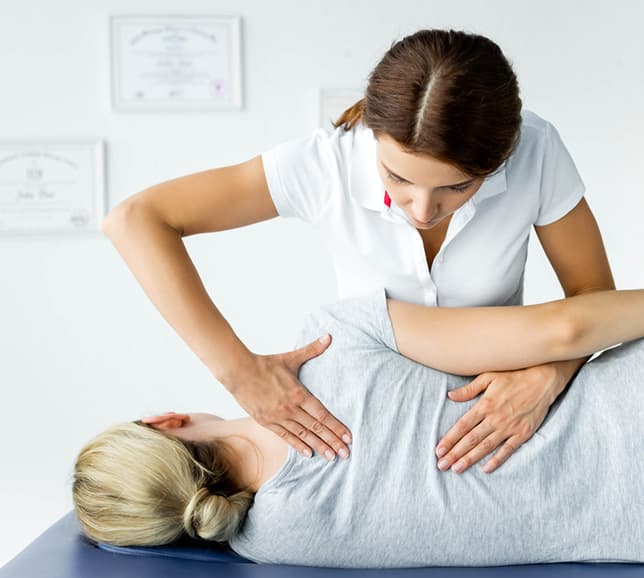
An osteopath will focus on the joints, muscles and spine. They may use hands-on techniques such as massage, stretching and mobilisation to help improve movement, reduce muscle tension and help relieve pain. They may help people manage symptoms associated with a range of musculoskeletal conditions, including:
hip or knee osteoarthritis, alongside exercise1
lower limb joint pain such as foot, ankle, knee and hip
back and neck pain, including sciatica
upper limb joint pain, such as hand, wrist, elbow and shoulder
tension-type headache, although evidence is limited2
soft tissue conditions such as tennis and golfer's elbow
postural problems due to pregnancy
If you have a condition that may weaken or seriously damage your bones or joints, speak to your GP or specialist first, as some techniques may not be suitable.3
What happens during an osteopathy appointment?
During your first osteopathy session, your osteopath will ask detailed questions about your symptoms. They will also ask about other medical care you are receiving, medication and general health, lifestyle and diet.
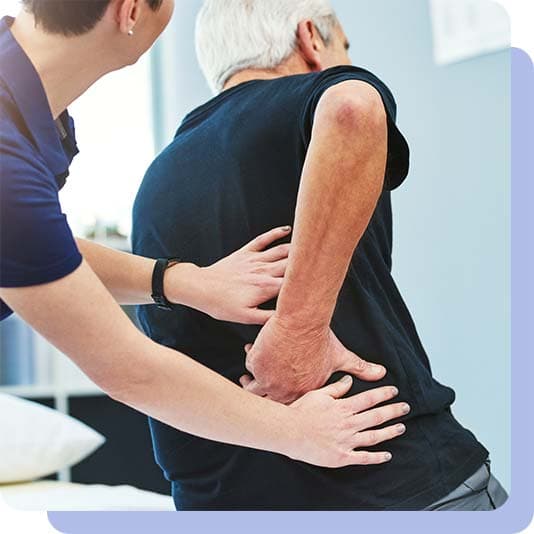
They will perform a physical examination where they will observe you making simple movements and stretches to observe your posture and mobility, which will assist with their diagnosis. They will also use their hands to examine the area of the body (you may need to remove some clothing from the area being examined).
Osteopaths are trained to examine the body to identify points of weakness, restriction to movement and the stiffness of joints.
Your osteopath will give you a clear explanation of their findings and discuss a treatment plan. If your osteopath feels the condition is not appropriate for osteopathy treatment, they may refer you to your GP for further investigations.
Should treatment be required, your osteopath will explain the benefits and any risks of the treatment they are recommending.
Is my osteopath qualified?
Osteopathy is a regulated profession and is provided by specialist trained practitioners called osteopaths. In order to use this title, they must be registered with the General Osteopathic Council (GOsC) and renew this registration annually.
The GOsC ensures that its members have current professional indemnity insurance, remain in good health and character and meet mandatory continuing professional development (CPD) requirements.
You can check if your osteopath is registered on the GOsC website.
Claim back your osteopathy costs today
Our 1-2-3 Health Plan provides cover that’s ready to use whenever you need it, from £25.10 a month.
This article is for general information only and is not medical advice. It should not be relied upon as a substitute for professional healthcare advice, diagnosis or treatment. Any reliance you place on this information is at your own risk. If you have concerns about your health, contact a healthcare professional. For urgent medical help, contact NHS 111. In an emergency, call 999 or go to A&E.
Related articles and guides
Your guide to physiotherapy
Understand physiotherapy appointments. Learn what physio is, why you'd need it, and what an appointment is like.
Health treatment guides
Learn about other treatments and services that can support your health and wellbeing, like physiotherapy, online GP services, and podiatry.

Your guide to the online GP
Everything you need to know about having a doctor's appointment through video call.
This material may contain links to other websites operated by third parties. It is the responsibility of third parties to ensure such material and websites comply with all relevant laws and regulations. To the maximum extent permissible by law Simplyhealth disclaims all responsibility for such websites.