How to look after your mouth, teeth and gums
Discover our ten tips for a healthier smile.

Written by Simplyhealth
Clinically reviewed by Macarena Staudenmaier on 9/10/2026
The health of your teeth, mouth and gums is closely linked to your overall health and wellbeing. We need to pay special attention to our mouths - to keep them in mint condition - so that we feel the benefits in our bodies and throughout our lives.
For this article, we sat down with our clinical experts to find out what we can do in our day-to-day lives to help protect and improve the health of our smiles. In some cases, we've gone into further detail with separate articles.
Scroll down to discover our ten tips for a healthier mouth.

Top tips for looking after your oral health
1. Stay up to date with dental appointments
Tooth decay, gum disease and tooth wear are the world’s most common (and entirely preventable) diseases. But with around one in 10 adults showing signs of severe gum disease,1 it’s essential to stick to regular dentist appointments - even if you think there’s nothing wrong.
2. A good brushing routine
Both manual and electric toothbrushes can clean your teeth effectively, although some people may find it easier to clean their teeth thoroughly with an electric toothbrush.2 But whichever you choose, keep the bristles looking healthy by changing the brush every three months and using fluoride toothpaste, brushing for two minutes, twice a day. Ideally, wait an hour after eating or drinking to avoid the time when your tooth enamel is softer.
3. Mind the gap!
Your toothbrush isn’t designed to reach the hidden gaps between your teeth. Daily flossing or using interdental brushes is the best way to deal with these tricky areas to stop plaque in its tracks. This helps prevent gum disease and more serious bone damage further down the line.
4. Think before you light up
It’s no surprise that smoking presents multiple risks to your oral health. Nicotine-stained teeth don’t just look, smell, and taste bad; they can also attract more plaque. Smoking makes your gums less resistant to harmful bacteria and more likely to become diseased. The ultimate risk, however, lies in the fact that smoking is one of the major risk factors for mouth cancer, and people who both smoke and drink heavily have over 10 times the risk of those who do neither.3 The good news is that by giving up tobacco, many of the negative effects on the mouth, teeth and gums are reversible.

5. Allow fluoride to work its magic
Choosing a toothpaste containing at least 1,350ppm fluoride can help to protect your teeth against decay.2 The concentrated toothpaste continues to work on your teeth when you’ve finished brushing, so spit, don’t rinse (not even with a fluoride mouthwash).
6. Swap out sugary food and drink
Your mouth is a war zone with sugar and acids attacking your teeth and creating cavities. Reducing the amount and frequency of sugary food and drink is critical in your battle against tooth decay and tooth wear.4 Avoid sugary snacks and energy drinks in between meals and at bedtime so your natural defences can resist the sugar onslaught, and follow the Eatwell Guide for the optimal healthy diet.4
7. Keep a lid on the liquor
Alcoholic drinks can be very acidic and high in sugar, creating multiple pitfalls: the acidity erodes your teeth enamel; sugar combines with plaque to cause tooth decay; and when there’s high alcohol content, your saliva flow - which neutralises harmful acids - is reduced. Drinking alcohol significantly increases the risk of mouth cancer, particularly when combined with smoking.5
Claim back your dental costs
Get cover for routine care, treatments and emergencies from just £12.30 a month.
8. Never too young to learn
It’s our gift to teach how mouth and teeth-aware our children become. Like those timeless lessons on how to cross the road, it’s up to us to sow the seeds that’ll last a lifetime. From tooth-brushing to sugar swaps and accepting trips to the dentist as part of everyday life. We need to make sure those tiny mouths have a fighting chance to be safe from risks and become healthier – and smilier - with every year that passes.
9. Take pride in your pearly whites
Eating a balanced diet, drinking water and generally sticking to best-practice oral hygiene is a great preventative action that will deliver front-line care for your mouth. Limiting certain foods and drinks like tea and coffee, red wine, cola and curry, or rinsing with water afterwards can reduce stains on your teeth. And stopping smoking is an essential first step in reversing the visual impact of nicotine.
10. Respect your teeth
It’s easy to fall into bad habits when it comes to your teeth, but there are some golden rules to help prevent many problems with your mouth, teeth and gums: only use your teeth for chewing food; don’t use them as tools to tear packing tape or open plastic packages and bottles; and don’t chew on pencils, fingernails or crunch on ice.
Awareness of these top tips and prioritising the ones that will make the most difference to you - based on your life, your family, your teeth, your habits and your health - will increase your chances of preventing mouth, teeth and gum problems.
But if you feel the need to prioritise one tip, always choose to stay up to date with your dental appointments. Your dentist is your best ally, on hand to spot warning signs and work with you to come up with a lifelong plan that will keep your mouth, teeth, and gums healthy – so you can live a better life.
Checking for mouth cancer
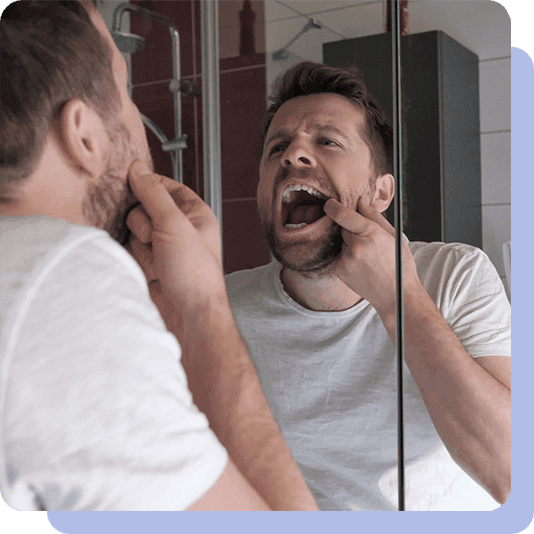
Regular dental check-ups can help spot potential signs of mouth cancer early. As part of a routine check-up, your dentist will examine your mouth and may spot changes that need further investigation. There are also some simple and quick checks you can do yourself at home. In between visits to the dentist, it’s a good idea to get to know what’s normal for your mouth and regularly check for any changes. A regular self-check can take less than a minute.6
This article is for general information only and is not medical advice. It should not be relied upon as a substitute for professional healthcare advice, diagnosis or treatment. Any reliance you place on this information is at your own risk. If you have concerns about your health, contact a healthcare professional. For urgent medical help, contact NHS 111. In an emergency, call 999 or go to A&E.